
DVM Professional Degree Program
The Doctor of Veterinary Medicine (DVM) curriculum is a rigorous four-year program which provides a broad-based education to all students. This prepares them to enter a variety of career opportunities within veterinary medicine. Students take 19 to 24 credit hours per term. This course load requires an average of 36 hours per week in the classroom or laboratory for students seeking to become a Doctor of Veterinary Medicine.
The Auburn University College of Veterinary Medicine is accredited by the Council on Education of the American Veterinary Medical Association* and the Association of American Veterinary Medical Colleges, with the next site visit scheduled for 2026.
Auburn University College of Veterinary Medicine graduates exceed the expectation of at least an 80% pass rate on the North American Veterinary Licensing Examination (NAVLE).
*American Veterinary Medical Association, Council on Education (AVMA-COE)
1931 North Meacham Road, Suite 100
Schaumburg, Illinois 60173
United States
847-925-8070
AU CVM Graduates NAVLE Pass Rates
- Class of 2025 97%
- Class of 2024 95%
- Class of 2023 92%
- Class of 2022 96%
- Class of 2021 95%
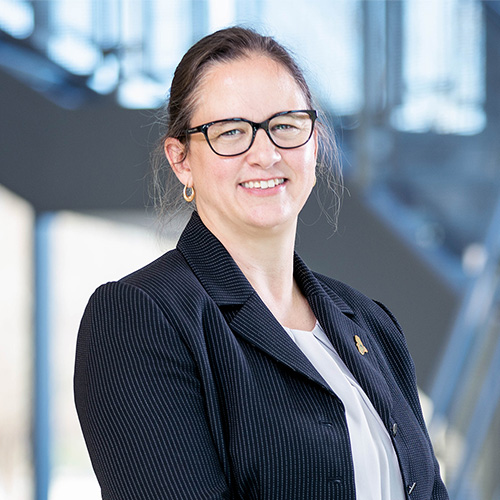
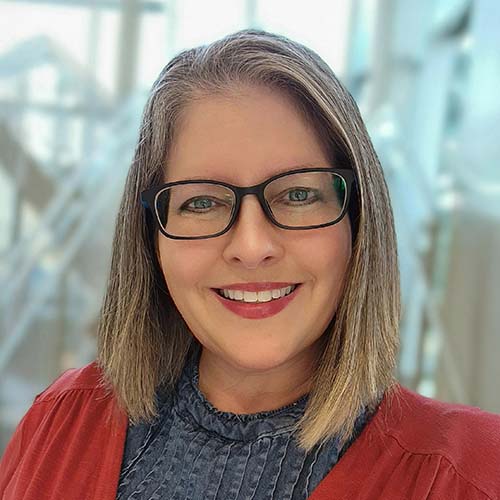
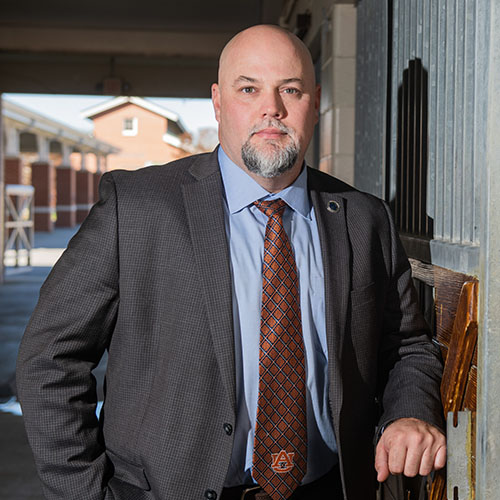
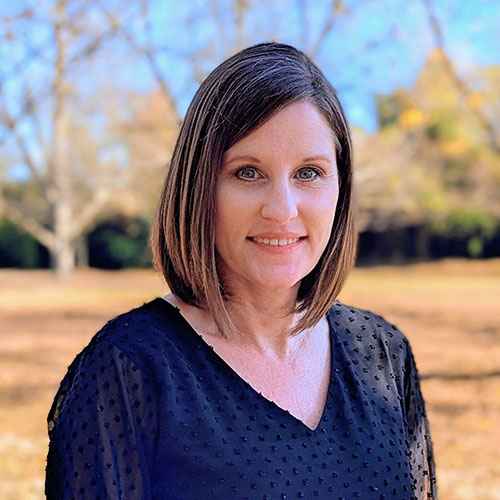
Meet the Academic Affairs Team





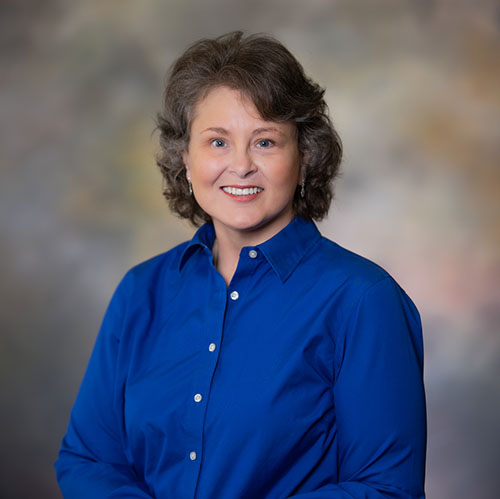
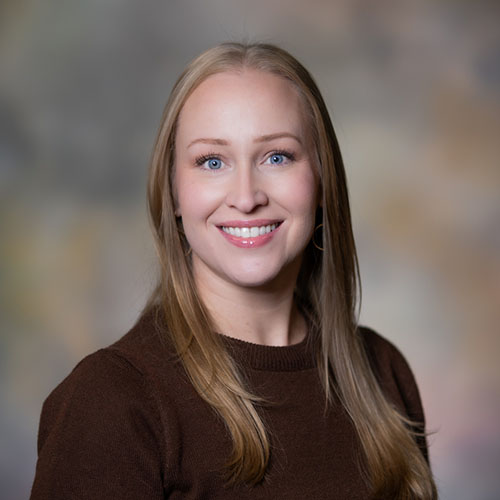
DVM Curriculum Objectives
- 1
The DVM curriculum shall impart pertinent, entry-level scientific knowledge in a structured, professional framework. This knowledge shall include:
- –normal anatomy and physiology of common domestic species (such as dogs, cats, horses, and cattle),
- –characteristics of healthy animals,
- –pathophysiology of common diseases,
- –characteristics of infectious agents and associated diseases, and
- –mechanisms of action of common therapeutic agents.
- 2
The curriculum will develop and refine foundational knowledge, technical skills, and the ability of students to:
- –collect, recognize, and interpret relevant details within medical histories,
- –perform a thorough physical exam,
- –recognize and interpret physical exam findings,
- –formulate a differential diagnosis and diagnostic plan,
- –collect diagnostic samples,
- –interpret diagnostic test findings,
- –formulate a therapeutic plan,
- –perform common surgical procedures including pre- and post-surgical management,
- –assess the impact of implemented therapeutic plans and modify when needed,
- –recognize zoonotic diseases and respond accordingly,
- –develop, implement, and enforce measures of biosecurity, and
- –promote the health and safety of animals, people, and the environment.
- 3
The curriculum will develop and refine students’ ability to:
- –find information,
- –assess the validity and relevance of information,
- –solve problems, and
- –effectively communicate through written and verbal interactions.
- 4
The curriculum will effectively instruct students in the importance of:
- –ethical conduct,
- –collaboration,
- –diversity,
- –continuing education, and
- –fiscal responsibility.
All students are required to take at least four hours of electives. Most take one elective course per semester beginning with the second semester.