
Interdisciplinary team cracks the case in mysterious cattle deaths
The clues were there. A recent death in the herd. A second cow falling severely ill. Off-the-chart lab results pointing to kidney stress. And an important detail from the owner: there were oak trees in the pasture.
The cow’s history, diagnostic testing and necropsy findings started to fit together like puzzle pieces. By collaborating across specialties, the team at Auburn’s College of Veterinary Medicine was able to find the root cause before there were any more losses in the herd.
It was oak poisoning.
Laying out the case
The 4-year-old Angus-cross cow arrived at Auburn’s J.T. Vaughn Large Animal Teaching Hospital in early May 2025. The owner noticed it had stopped eating, and it was no longer able to stand. Just a week earlier, a bull from the same herd was found dead under nearby oak trees.
The medical team, including Drs. Miguel Saucedo-Gonzalez and Dane Schwartz who were both Auburn Vet Med residents at the time, evaluated the cow and found that it was dehydrated and having difficulty breathing. Bloodwork revealed elevated blood urea nitrogen levels, creatinine concentrations so high the analyzer couldn’t read them and several electrolyte and mineral imbalances — all strong indicators of severe kidney damage.
Now a clinical assistant professor at Iowa State University, Saucedo-Gonzalez talked with the owner about his options. Ultimately, the cow was euthanized and sent to necropsy for investigation.
Based on what they had learned so far, the clinical team suspected the cow’s decline might be caused by oak poisoning. The final puzzle pieces came from Auburn’s pathobiology team, including clinical fellow Dr. Carlos Lopes and Dr. Ji-Hang Yin, a former anatomic pathology resident at Auburn who led the post-mortem case investigation and is now a clinical assistant professor at Kansas State University.
They discovered cavitary effusions, serosal and renal hemorrhages and traces of leaves in the digestive tract. Toxicological analysis of the leaves revealed high concentrations of gallic acid, a byproduct of oak tannin metabolism. The clinical team’s suspicion was confirmed.
Understanding the culprit
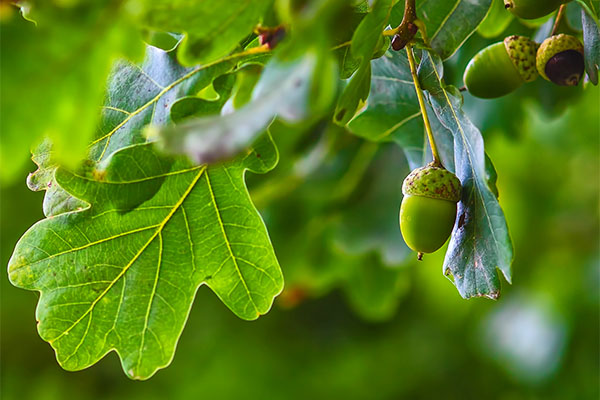
Oak poisoning isn’t rare in the U.S., and cattle are especially susceptible. Their digestive systems aren’t as effective in binding and neutralizing the tannins found in oak buds, leaves and acorns compared to other grazing animals. Instead, the tannins break down into pyrogallol and gallic acid, which can cause severe damage to the gastrointestinal tract and the kidneys.
While common, oak poisoning isn’t always easy to pinpoint. Saucedo-Gonzalez said diagnosing large animals can be like detective work, especially since owners typically don’t keep as close an eye on them as house cats or dogs. On top of that, toxins can be particularly difficult to identify.
“Toxicities are like a black box,” Saucedo-Gonzalez said.
Many toxic plants and even some drugs can produce similar clinical signs, such as the kidney lesions found in the cow. Without a full history or other clear signs pointing to a specific toxin, Saucedo-Gonzalez said clinicians can get “lost in the woods” trying to uncover the culprit.
That’s what makes the full animal care team so vital in diagnostic work, Lopes said.
“It’s very important to have an interdisciplinary approach to the case so we can pinpoint the cause more easily,” Lopes said. “Referring veterinarians and owners play a decisive role because they can come up with strong suspicions, and a good history holds a lot of weight.”
Recognizing and preventing
Schwartz said cattle owners don’t always need to resort to cutting down oak trees on their property. The key is to reduce exposure.
One of the best defenses is making sure cattle have access to high-quality food sources with plenty of fiber since they are more likely to consume oak buds, leaves and acorns when other food options are scarce. Owners can also reduce risk by fencing off areas around oak trees and clearing downed limbs, leaves and acorns.
“It’s important for owners to not forget that even thought their cattle may have been grazing on the same piece of land, it’s important to have a surveillance of what trees and plants are in the area in which they’re grazing,” Schwartz added. “Things like this can happen after years and years of grazing the same thing, and sharing that information with a veterinarian can be crucial.”
And when losses do occur, answers matter.
“We definitely recommend necropsy for cases of unexplained deaths,” Lopes said. “It’s a valuable tool to investigate the actual cause of death and any underlying comorbidities that the animal may have been experiencing.”
Beyond helping a single herd, the case now serves as an educational resource for students and practitioners in the veterinary field. The team published the findings in the Journal of the American Veterinary Medical Association, sharing the clinical signs, diagnostic process and pathological findings associated with oak toxicosis. By documenting each step of the investigation, the authors hope to raise awareness of the potentially fatal condition and highlight how information gathered at every stage of a case can be critical in reaching the correct diagnosis.
Community Vaughan Large Animal Teaching Hospital