
Speaker Biography
Gary Oswald
DVM, MS, DACVIM (SAIM)
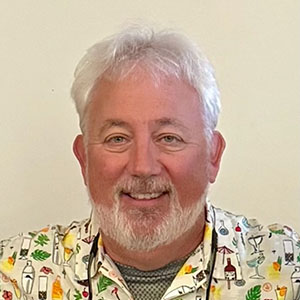
Board-Certified Veterinary Internal Medicine Specialist
Dr. Gary P. Oswald is a Cleveland, Ohio native. He graduated from The Ohio State University College of Veterinary Medicine and completed his small animal internal medicine residency at Colorado State University. He is a veterinary small animal Internal Medicine Specialist and Diplomate of The American College of Veterinary Internal Medicine.
Dr. Oswald founded Tampa Bay Veterinary Specialists and Emergency Care Center in Clearwater, Florida and was a practicing medical internist and the Chief Operating Officer from 1993-2020. He is currently the COO of Tampa Bay Veterinary Medical Internal Medicine and an Affiliate Professor at the College of Veterinary Medicine and Biomedical Sciences, Colorado State University.
Dr. Oswald is a featured small animal internal medicine and cardiology speaker at veterinary continuing education meetings throughout the world. He currently splits his time between Clearwater Beach Florida and Sedalia Colorado.
Lectures
-
Friday, October 30, 2026 1:45 - 2:35 p.m. Auditorium
New Diagnostics and Treatments for Chronic Kidney Disease Patients Small Animal I
Lecture Description : Newer tests and updated diagnostic criteria, utilizing GFR trends, serum FGF23, urine cystatin C, UPC, SDS-PAGE, make it easier to identify patients with chronic kidney disease and establish early therapy. Treatment advances, including targeted phosphorus control, uremic binders, hydration supplements and erythropoietin stimulants, are available to slow CKD progression and improve life quality.
Learning Objectives:
- Attendees will learn the reasoning behind and when to order tests such as FGF23, urine cystatin C, UPC and SDS-PAGE in patients with suspected or confirmed chronic kidney disease.
- Attendees will learn targeted phosphorus control in CKD and will review the use of dietary phosphorus restriction and oral phosphorus binder therapy.
- Attendees will learn the advantage and potential disadvantages of aluminum hydroxide, lanthanum carbonate, ferric citrate and calcium-based oral phosphorus binders.
- Attendees will learn about the supportive use of uremic toxin binders.
- Attendees will learn when to consider and how to use red blood cell marrow-stimulating drugs such as darbepoeitin alfa (Aranesp) and molidustat (Varenzin-CA).
-
Friday, October 30, 2026 2:45 - 3:35 p.m. Auditorium
Proteinuria Testing and Treatment: Why Such a Hot Topic? Small Animal I
Lecture Description: Urine protein determination is an essential tool for early chronic kidney disease. The urine protein:creatinine ratio index is one of several screening test methods available for urinary protein detection. Additional diagnostics considerations, including renal tissue biopsy vs. urine electrophoresis, and current treatment recommendations will be discussed for patients with abnormal urinary protein loss.
Learning Objectives:
- Attendees will understand the importance of performing annual urine protein screening to identify early chronic kidney disease.
- Attendees will learn how to establish the cause of proteinuria utilizing diagnostic testing, such as renal biopsy, SDS-PAGE or treatment trials.
- Attendees will learn how to utilize immunosuppressive vs supportive treatment approaches for proteinuria management.
- Attendees will learn how to monitor and interpret the response to anti-proteinuria treatments.
-
Friday, October 30, 2026 3:45 - 4:35 p.m. Auditorium
Urinary Incontinence: Reviewing the ACVIM Consensus on Testing and Treatment Small Animal I
Lecture Description: We will review the recent consensus statement describing the various causes of urinary incontinence in dogs and cats along with a complete description of diagnostic and treatment considerations. Some surprises are in store concerning USMI, FOO and MOO management!
Learning Objectives:
- Attendees will be exposed to the wide variety of causes resulting in involuntary urinary incontinence in dogs and cats.
- Attendees will learn to prioritize potential UI causes based on history and clinical findings along with supportive diagnostic tests.
- Attendees will learn the advantages and potential disadvantages of phenylpropanolamine (PPA), estrogen analogs and testosterone treatments in USMI.
- Attendees will learn how to differentiate functional outflow obstruction (FOO) vs mechanical outflow obstruction (MOO) and treatment options for each disorder.
-
Friday, October 30, 2026 4:45 - 5:35 p.m. Auditorium
Feline Interstitial Cystitis: Is There a Consensus in 2026? Small Animal I
Lecture Description: Feline Interstitial Cystitis has been a common affliction for many decades and has been know by many names. Let’s talk about the current theories as to its etiology and present evidence-based medical, dietary and behavioral treatment considerations to help you treat your feline patients effectively.
Learning Objectives:
- Attendees will learn about FIC as part of a larger systemic neurohormonal issue resulting from an abnormal exaggerated response to environmental stressors.
- Attendees will learn which diets may play a beneficial role in FIC.
- Attendees will learn which procedures are beneficial in treating obstructive FIC.
- Attendees will learn which drug therapies are proven to be beneficial in FIC.
- Attendees will learn how MEMO may be beneficial in FIC.
-
Saturday, October 31, 2026 8:00 - 8:50 a.m. Auditorium
Gastrointestinal Blood Panels: Critical Information Before Biopsy or Treatment Trials Small Animal I
Lecture Description: Identical clinical signs associated with a chronic enteropathy can be caused by numerous disorders. Simple submission of a complete gastrointestinal blood panel can quickly identify specific disorders, including cobalamin deficiency, cortisol insufficiency, pancreatic disease and folate anomalies, that provide strategies to effectively address some gastrointestinal issues without intense diagnostics or treatments.
Learning Objectives:
- Attendees will learn that a vast array of diseases can result in ongoing diarrhea, vomiting and loss of condition associated with different chronic enteropathies.
- Attendees will learn that a gastrointestinal blood panel should be evaluated as part of the initial diagnostic plan in all patients with chronic GI signs.
- Attendees will learn how to interpret and act on GI blood panel results.
- Attendees will learn when folate levels can be used as a biomarker to determine whether microbiome-responsive therapies vs intestinal biopsy should be pursued.
-
Saturday, October 31, 2026 9:00 - 9:50 a.m. Auditorium
Antiemetics, Motility Modifiers, Mucosal Protectants: What's in My Pharmacy? Small Animal I
Lecture Description : Current evidence supports the use of certain gastrointestinal medications in patients with emesis and GI motility disorders. This lecture will update evidence-based current recommendations on the use of antiemetics, mucosal protectants and GI motility-influencing drug therapies in dogs and cats.
Learning Objectives:
- Attendees will learn which antiemetics are recommended in dogs and cats.
- Attendees will learn which antacids and mucosal protectants are recommended in dogs and cats.
- Attendees will learn which gastrointestinal motility modifiers are recommended in dogs and cats.
-
Saturday, October 31, 2026 10:00 - 10:50 a.m. Auditorium
When to Consider Antibiotics in Acute and Chronic Gastrointestinal Disease Small Animal I
Lecture Description: Rational antibiotic stewardship is a major point of emphasis in veterinary medicine to reduce antimicrobial resistance and adverse effects on the microbiome. This lecture reviews indications for antibiotic use in canine and feline gastrointestinal disorders as well as discussing alternatives to antibiotics in acute and chronic GI disturbances such as acute gastritis. acute enterocolitis, acute hemorrhagic diarrhea syndrome and chronic inflammatory enteropathy.
Learning Objectives:
- Attendees will learn why rational antibiotic prescribing practices are critical to reduce antimicrobial resistance and adverse effects on the microbiome.
- Attendees will learn why routine use of antibiotic may be unnecessary and counterproductive in acute gastritis. acute enterocolitis, acute hemorrhagic diarrhea syndrome and chronic inflammatory enteropathy
- Attendees will learn which specific gastrointestinal disorders are antibiotic-responsive and would benefit from specific antibiotic treatment.
-
Saturday, October 31, 2026 11:00 - 11:50 a.m. Auditorium
Protein-Losing Enteropathies: How to Use Diets and/or Anti-inflammatory Treatments Small Animal I
Lecture Description: PLE is a common intestinal finding that requires specialized diet and drug therapy to lower gut lymphatic pressure, reduce immune-mediated mucosal inflammation and stop albumin and other proteins from leaking into the digestive tract. Learn how to clinically address PLE with specific diets and drugs that have demonstrated positive treatment responses.
Learning Objectives:
- Attendees will learn how to determine the underlying cause of protein-losing enteropathy in dogs and cats.
- Attendees will learn which specialized ultra-low fat and/or hydrolyzed diets are most likely to result in a positive clinical response in PLE patients.
- Attendees will learn how to use anti-inflammatory drug treatments to obtain a positive clinical response in PLE patients.
- Attendees will learn which positive and negative indicators offer prognostic insight for PLE patients.